Table of Contents
- New Mexico Home Selling
- Which Areas in New Mexico Offer the Best Return on Investment and Are Easiest for Residential Property Development?
- What Home Styles, Sizes, and Features Tend to Sell Fastest in the New Mexico Market?
- What Should Home Sellers Know About Zoning Laws, Permits, and Regulatory Requirements in New Mexico?
- Which Towns or Cities in New Mexico Are Easiest, and Hardest, When It Comes to Navigating Real Estate Regulations?
- What Are the Most Effective Flipping and Resale Strategies for Maximizing Profit in New Mexico's Housing Market?
- How Should Sellers Price Their Homes to Attract Buyers While Maximizing Value in New Mexico?
- Which Key Economic, Social, and Regulatory Factors Are Driving Current Trends in New Mexico's Local Property Markets?
New Mexico Home Selling

New Mexico's housing market presents a unique landscape characterized by relative affordability, moderate sales activity, and below-average property taxes. As of October 2025, the median sale price for homes in the state stood at $404,300, roughly 10% less than the national median of around $440,000. Relative to the region, New Mexico offers a manageable entry point for homebuyers, particularly when compared to neighbors like Colorado ($626,100) and Utah ($578,600).
In terms of sales activity, New Mexico's housing market moves at a slower pace than the national median. According to Federal Reserve Economic Data (FRED), the median days on market in October 2025 was 78, more than two weeks longer than the national median during the same period.
New construction in New Mexico has seen a gradual increase in residential building permits, though overall activity per capita lags national averages and the state's housing needs. In 2024, New Mexico issued 7,572 new private housing authorizations, a rate of around 3.55 per 1,000 residents. By comparison, less populous states like Idaho and Nebraska saw significantly higher construction activity, with 17,630 and 10,479 authorizations, respectively.
The tax environment in New Mexico is favorable to homeowners and investors, with an effective property tax rate of 0.72%, below the national average of around 0.90%. Foreclosures in the state are also better than the national rate, with 1 in every 6,288 housing units (as of October 2025), signaling a relatively stable financial environment for homeowners in the state.
Which Areas in New Mexico Offer the Best Return on Investment and Are Easiest for Residential Property Development?

A broad range of real estate investment opportunities exists across many of New Mexico's cities, towns, and metros, appealing to the different goals of developers, builders, and investors. In addition to its variety of investment opportunities, New Mexico's cultural heritage also adds to the appeal of the state's housing market.
For investors looking to maximize ROI in The Land of Enchantment, the following locations may offer some of the best opportunities:
-
Tucumcari: Tucumcari boasts the highest InvestScore in New Mexico and has experienced a 42.59% increase in property values over the past five years. Nevertheless, it remains one of the most affordable markets in the state, with median asking prices of just $172,500 (as of November 2025).
-
Carlsbad: With a median sale price of around $300,000, Carlsbad has affordable entry points and promising return potential for buy-and-hold strategies. The city's rental market is one of the hottest in the state, attracting workers in the oil and gas and mining industries, as well as tourists visiting Carlsbad Caverns.
-
Rio Rancho: As one of the state's fastest-growing cities, Rio Rancho remains a prime location for both residential development and rental investments. With close proximity to Albuquerque, Rio Rancho city offers a lower cost of living and lower crime rates, along with top-rated schools.
-
Albuquerque: Albuquerque combines urban amenities with Southwestern charm, attracting professionals, students, and tourists. The city continues to grow steadily, with its population nearing one million residents, while median home prices recently hit a record high of $379,000.
-
Roswell: Known for its UFO history, Roswell attracts a steady flow of visitors, making short-term rentals particularly appealing. With median sale prices of $212,500, it offers good opportunities for both short-term rental income and long-term appreciation.
-
Santa Fe: New Mexico's capital is renowned for its Spanish heritage, vibrant arts scene, and world-class restaurants. The city has also become a popular destination for luxury second-home buyers. With a median luxury listing price around $2.7 million, Santa Fe offers opportunities for high-end residential development and vacation rentals.
-
Las Cruces: Las Cruces offers affordable property prices and a stable rental market, with a median home price of $288,000. The city's proximity to New Mexico State University and a growing population make it an appealing option for long-term rental investments.
-
Farmington: Located in the Four Corners region, Farmington offers a growing rental market with a 7.1% year-over-year increase in home values. The city's unique location and affordability make it a lesser-known market for real estate investors.
-
Corrales: Corrales emerged as the hottest housing market in New Mexico in Q1 2025, with average list prices jumping 30% to more than $1 million. Its proximity to Albuquerque and desirable residential environment make it an attractive area for high-end residential development.
-
Sandia Heights: Sandia Heights is a quiet neighborhood that combines stunning city and mountain views, making it a desirable location for upscale residential development. Its proximity to Albuquerque also provides access to urban amenities while maintaining a serene environment.
What Home Styles, Sizes, and Features Tend to Sell Fastest in the New Mexico Market?

Although homes in New Mexico, especially modern ones, offer a blend of Southwestern charm and modern appeal, they don't all sell or move at the same pace. On average, homes in New Mexico typically linger on the market for around 75-80 days, which is slower than the national median. However, homes listed in June and July tend to sell 12-15 days faster, especially in cities like Albuquerque, Santa Fe, and Rio Rancho.
Homes with certain features or characteristics also tend to sell faster across the state. These features include:
-
![]()
Bedrooms: In New Mexico, homes with 3-4 bedrooms are in high demand, attracting a wide variety of buyers, including families, first-time homeowners, and real estate investors seeking rental income opportunities. Larger homes, while appealing to some buyers, may take longer to sell due to their higher price points and the smaller pool of buyers. Hence, 3- and 4-bedroom homes are usually the quickest to move in the market.
-
![]()
Size and Lot: Homes ranging from 1,500-2,500 square feet tend to sell faster, as they strike a balance between affordability and comfort for many homebuyers. Additionally, properties with smaller lot sizes, typically ranging from 0.25-0.5 acres, are more desirable and easier to maintain. While larger homes and lots may offer more space, they often come with higher prices, which can discourage buyers and prolong the time it takes to sell.
-
![]()
Style: Homes built in the Southwestern, Pueblo Revival, and Territorial styles are particularly sought after in New Mexico, as they reflect the state's rich cultural heritage and unique architectural aesthetic. These styles resonate with both local buyers and those from outside the state. Additionally, modern homes with sleek designs and energy-efficient features are gaining popularity, with buyers increasingly drawn to properties combining traditional charm with contemporary comforts, leading to faster sales for homes that successfully combine both elements.
-
![]()
Modern Upgrades: Updated kitchens and bathrooms, energy-efficient windows, and smart home technologies are all features that are becoming increasingly common in modern homes in New Mexico. Consequently, homes that offer these upgrades are more appealing to buyers and more likely to be perceived as move-in-ready. These features not only enhance a home's functionality and aesthetic but also offer long-term savings on energy costs. As a result, homes that incorporate these modern upgrades tend to sell faster and for higher prices.


What Should Home Sellers Know About Zoning Laws, Permits, and Regulatory Requirements in New Mexico?

Zoning laws and other regulatory requirements play a critical role in a property's resale value or development potential. Since these requirements and laws vary from one municipality to another, it can introduce an additional layer of complexity for developers and investors. For this reason, sellers and developers must know and understand the specific zoning laws and regulatory requirements in the local markets where they operate. To ensure compliance with local zoning laws, local government authorities can issue a zoning compliance letter upon request. In many cases, buyers now request that letter before closing a transaction to verify that the property they intend to purchase is free of any land-use violations.
The following information shows how zoning and permitting requirements vary across New Mexico jurisdictions:
-
Areas with strict zoning laws: Some areas in New Mexico are known for having strict zoning laws, which can complicate or slow development. For example, Santa Fe has strict zoning laws, particularly in historic districts, where the city works to preserve its unique architectural and cultural heritage. Similarly, Albuquerque has areas with stringent zoning codes, particularly in the downtown region, where it imposes design standards to maintain the city's character. These areas typically have more elaborate permitting processes, which may involve public hearings and community feedback, potentially slowing development and renovations.
-
Jurisdictions with less bureaucratic zoning laws: Unlike areas with strict zoning laws, these places sit on the other end of the spectrum, as they have less bureaucratic zoning laws and permitting requirements. For instance, Edgewood provides a more flexible zoning environment, welcoming residential and mixed-use developments with fewer administrative hurdles. Also, Rio Rancho (and other areas in Sandoval County) are known for streamlined permitting processes, which support rapid growth and easier project approvals. Tucumcari (Quay County), also offers minimal zoning complexity, making it a friendly area for small-scale investors and developers looking for lower regulatory barriers.
-
Areas requiring a special permit via a public hearing and approval from the zoning board: In jurisdictions like Albuquerque, obtaining a conditional use permit or zoning variance involves formal public hearings led by the Zoning Hearing Examiner, especially for changes to its Integrated Development Ordinance. Santa Fe follows a similar protocol, requiring rezoning and special use applications to pass through the Planning Commission and undergo public scrutiny. Similarly, Las Cruces demands zoning board approvals for certain developments near mixed-use or historically significant areas.
-
Areas where a Certificate of Occupancy is mandatory before legal occupation: Most jurisdictions across the state require new construction projects and major renovations to obtain a Certificate of Occupancy (CO) before a property is legally inhabited. In cities like Albuquerque and Las Cruces, inspectors conduct final evaluations before issuing a CO, and in some cases, may provide temporary certification for limited use. Santa Fe mandates COs for all residential and commercial properties, and any home improvement projects carried out by homeowners themselves must also be reflected in the approval process.
-
Places where the historic commission's approval is required for certain renovations and material usage: The preservation of historical heritage is important in places such as Santa Fe's historic districts, where any renovation requires authorization from the Historic Preservation Division. The oversight of the Division includes regulating design elements, building materials, and aesthetic changes to maintain the area's historic integrity. Albuquerque's Old Town and Huning Highlands neighborhoods fall under the Landmarks Commission, which monitors updates to paint, roofing, signage, and structural modifications. Similarly, Taos requires sellers to seek approval from the Taos Historic Preservation Commission before undertaking any changes to properties in designated historic districts.
Which Towns or Cities in New Mexico Are Easiest, and Hardest, When It Comes to Navigating Real Estate Regulations?

Real estate regulations in New Mexico can differ widely across its cities, towns, and counties. As a result, home sellers and developers shouldn't rely on a uniform set of regulations throughout the state. Understanding these regional differences in real estate laws is important to maximizing returns on investment.
The following breakdown highlights the varying regulatory climates across New Mexico:
Development-Friendly Areas
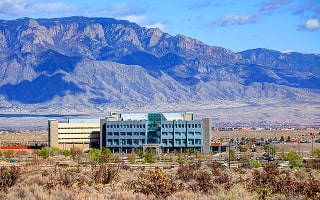
In these places, local governments actively support growth with clear, fast-track permitting, flexible zoning districts, and development incentives. Examples include:
- Rio Rancho: The city offers a one-stop permitting center that typically turns around single-family and light-commercial permits in under 30 days, plus fee incentives for infill housing.
- Edgewood: In Edgewood, updated zoning code now accommodates mixed-use and higher-density residential development without lengthy variance hearings. The town is also backed by county grants for affordable housing.
- Los Lunas and Belen: These places have caps on impact fees, and minimal subdivision regulations keep development costs predictable. In addition, expedited review is available in designated growth zones.
- Clovis: Pro-growth planning staff and relaxed lot-split rules make parcel subdivisions and infill projects simple, with optional pre-application meetings to fast-track approval.
Moderately Regulated Areas
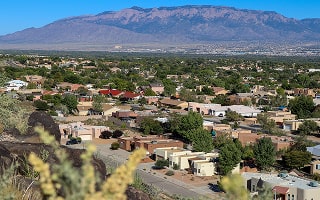
These areas balance development with community interests, requiring developers to navigate zoning codes and permitting processes carefully.
- Albuquerque: While the Integrated Development Ordinance streamlines many uses, projects that push density or height limits often require a public hearing before the Zoning Hearing Examiner.
- Las Cruces: The city enforces clear parking and landscaping standards, and conditional uses trigger a 2- to 3-week public notice period.
- Farmington: Site plans for townhomes or smaller apartments face standard technical reviews but rarely require variances.
Highly Restrictive or Bureaucratic Areas

These regions have stringent regulations, complex permitting processes, and strong community resistance to new development.
- Santa Fe: Virtually every exterior change in Santa Fe's historic core must clear the Historic Preservation Division and can require design-review board approval.
- Los Alamos: A combination of strict site-plan standards, Department of Energy land-use agreements, and neighborhood covenants means multifamily or commercial conversions can take 4-6 months to permit.
- Taos: Scenic-view corridors, special floodplain rules, and caps on short-term rentals all demand multiple agency sign-offs, often slowing projects.
Regulatory Climate Factors

One of the most influential factors on the difficulty level of developing, renovating, or flipping a property is the regulatory climate in the state and local area of the subject property. The importance of these regulations demands that real estate investors and developers understand the regulatory climate, which can have a direct impact on investment timelines and returns. Note that the regulatory landscape varies widely across different regions in the state, making it essential for sellers and developers to be aware of both state and local zoning laws, preservation efforts, and political influences that may affect each project.
Below is a breakdown of key regulatory factors that affect property development in New Mexico, along with where these factors are most prevalent:
Factor |
Impact on Development |
Where It's Found |
|---|---|---|
Zoning Flexibility |
Determines ease of land use |
Albuquerque, Rio Rancho, and Las Cruces |
Historic Preservation Laws |
Adds restrictions |
Santa Fe, Taos, and Albuquerque (Historic Districts) |
Wetlands/Conservation |
Limits buildable land |
Northern New Mexico and Rio Grande Valley |
Inclusionary Zoning |
Requires affordable units |
Santa Fe, Albuquerque, and Las Cruces |
Building Code Enforcement |
Affects cost/speed |
Statewide, with stricter enforcement in urban areas like Albuquerque and Santa Fe |
Local Politics/NIMBYism* |
Blocks or delays projects |
Santa Fe, Albuquerque, and Taos |
*NIMBYism - Not in My Backyard
What Are the Most Effective Flipping and Resale Strategies for Maximizing Profit in New Mexico's Housing Market?

With the diverse opportunities available in the New Mexico real estate market, sellers and investors must adopt the right flipping or resale strategies to effectively maximize their profits. The following strategies are tailored to capitalize on market trends in New Mexico, mitigate risks associated with real estate investments, and optimize returns on investment.
-
![]()
Target Distressed or Foreclosed Homes: In this approach, developers or investors target pre-foreclosures, homes sold at auction, and bank-owned properties (REOs), which are often sold at steep discounts due to their condition. These deep discounts may also be due to the financial distress of the seller or the property's foreclosure status.
Distressed properties generally provide high upside potential, particularly if the property is located in a market with high demand for renovation projects. Properties in cities like Albuquerque and Santa Fe, where the housing market remains competitive, can yield substantial returns when purchased below market value, renovated, and resold at full market value.
-
![]()
Use the 70% Rule: This rule is popular and widely used among real estate investors, helping them to maintain a healthy profit margin when flipping homes. The rule states that investors should offer no more than 70% of the after-repair value of the property after deducting repair costs. Using this formula, flippers can avoid buying properties that may not offer enough return on investment, ensuring profitability when covering renovation costs.
-
![]()
Try Wholetailing for Speed: Wholetailing is a strategy that recommends performing only minor cosmetic updates, such as landscaping, flooring, and painting, before reselling a property. It's particularly effective for flipping homes in suburban areas where demand is high, but buyers are looking for move-in-ready properties at reasonable prices. Using this approach in fast-moving markets like Rio Rancho or Las Cruces can also allow for quick turnaround times and minimal holding costs.
-
![]()
Build Strong Deal Pipelines with Lead Generation: This strategy suggests that home flippers invest time in building strong deal pipelines through networking with real estate agents, attending foreclosure auctions, and using digital platforms to find opportunities before they hit the open market. This can help flippers gain an edge in competitive New Mexico real estate markets and access opportunities to acquire assets below market value.
-
![]()
Renovate with Quality, Don't Cut Corners: Quality renovations sometimes hold the key to getting the maximum profit possible for a property. Using this approach is especially useful in places like Albuquerque and Santa Fe, where buyers often expect a certain standard of quality. Renovating a property with quality, even in smaller, more affordable homes, can not only yield higher returns but also reduces the likelihood of costly post-sale issues. On the other hand, cutting corners may save on immediate costs but can lead to longer-term problems, impacting both resale value and buyer satisfaction.
-
![]()
Follow the BRRRR Method (Buy, Rehab, Rent, Refinance, Repeat): As its name suggests, this approach recommends that investors look to build equity and long-term cash flow by purchasing a distressed property, rehabbing it, renting it out, and refinancing to pull out equity before repeating the process. This approach allows investors to grow their portfolios steadily and is ideal for locations where demand for rental properties is high, especially in cities like Las Cruces and Albuquerque.
-
![]()
Try Micro-Flipping (Digital Wholesaling): Micro-flipping involves buying a property, usually without doing any physical repairs, and quickly reselling it at a higher price. It's especially effective for investors who use real estate data platforms, such as PropStream or DealMachine, to locate properties that can be flipped with low risk.
-
![]()
Go Beyond Cosmetic Work (Value-Add Flipping): This approach requires investors to make substantial improvements to a property, such as converting a single-family home into a multifamily unit (where permitted) or adding an accessory dwelling unit (ADU). This conversion might also include building additional bedrooms or bathrooms, or finishing an attic. In cities like Albuquerque, where rental demand is high, this strategy can increase a property's value significantly.
-
![]()
Explore Creative Financing and Seller Financing: Creative financing strategies, such as seller financing, can help investors acquire properties without using traditional bank loans. These strategies are useful when dealing with sellers who may be equity-rich but lack short-term liquidity. By allowing buyers to bypass banks and negotiate favorable terms, seller-financing strategies often result in lower interest rates and more flexible repayment schedules. This strategy works well in markets like Albuquerque and Santa Fe, where home prices are rising but financing options may be limited.
-
![]()
Invest in Tax Liens or Tax Deeds: Tax lien or tax deed investments can provide an opportunity to acquire properties at solid discounts. In New Mexico, investors can purchase tax liens or deeds when property owners fail to pay real estate taxes. Note that these investments generally require legal cleanup and may involve foreclosure processes. However, after resolution, these properties can often be flipped for a profit.
-
![]()
Target FHA 203(k) Buyers: The FHA 203(k) loan program allows buyers to finance both the purchase and rehabilitation of a property with a single loan. Therefore, targeting buyers who use FHA 203(k) loans can be an effective strategy, as these buyers are specifically looking for homes that need repairs or renovations. Using this strategy, sellers or flippers in New Mexico can appeal to this market by offering properties that are ideal for FHA 203(k) financing, since they're already priced lower due to the required repairs.


How Should Sellers Price Their Homes to Attract Buyers While Maximizing Value in New Mexico?

Pricing a home correctly is a critical step in flipping a property while maximizing profit. In order to achieve the best return on investment, sellers should consult a local real estate agent or appraiser who can provide a comprehensive analysis of the market. This includes reviewing active, pending, and recently sold comparables within the last 90 days to help set a competitive and realistic price.
Note that the most effective pricing strategy depends on the specific local real estate market and other conditions surrounding the sale. However, the following are some of the most effective pricing techniques commonly used by home sellers and investors in New Mexico's housing markets:
-
![]() Pricing Just Below Below Market Thresholds: This technique aims to draw more views and traffic to a listing by pricing a home just below the threshold market value. For instance, listing a home at $349,900 instead of $350,000 means that when buyers filter properties by price ranges, the homes priced below these thresholds appear more frequently in search results, leading to increased visibility and interest. Pricing just below market thresholds works in diverse local markets in the state, particularly in suburban areas like Rio Rancho and Las Cruces.
Pricing Just Below Below Market Thresholds: This technique aims to draw more views and traffic to a listing by pricing a home just below the threshold market value. For instance, listing a home at $349,900 instead of $350,000 means that when buyers filter properties by price ranges, the homes priced below these thresholds appear more frequently in search results, leading to increased visibility and interest. Pricing just below market thresholds works in diverse local markets in the state, particularly in suburban areas like Rio Rancho and Las Cruces.
-
![]() Charm Pricing (Psychological Pricing): Charm pricing is used to play on the psychology of buyers by listing a property at a price ending with a number like 9, such as $299,999 instead of $300,000. This strategy makes the buyer perceive the home as more affordable, even though the difference is minimal. In markets like Albuquerque, where homes are typically more affordable than in luxury markets, charm pricing can appeal to first-time homebuyers and attract a larger pool of potential buyers.
Charm Pricing (Psychological Pricing): Charm pricing is used to play on the psychology of buyers by listing a property at a price ending with a number like 9, such as $299,999 instead of $300,000. This strategy makes the buyer perceive the home as more affordable, even though the difference is minimal. In markets like Albuquerque, where homes are typically more affordable than in luxury markets, charm pricing can appeal to first-time homebuyers and attract a larger pool of potential buyers.
-
![]() Pricing to Create a Bidding War: In New Mexico areas where housing demand exceeds supply, such as in Albuquerque or Santa Fe neighborhoods, pricing a property slightly below market value can be an effective way to spark a bidding war. This strategy is especially useful in a seller's market or in neighborhoods with excellent school districts, proximity to major employers, or highly sought-after features. By strategically pricing to generate competition, sellers can evoke a sense of urgency among buyers, resulting in multiple offers and potentially pushing the final sale price higher than the original asking price.
Pricing to Create a Bidding War: In New Mexico areas where housing demand exceeds supply, such as in Albuquerque or Santa Fe neighborhoods, pricing a property slightly below market value can be an effective way to spark a bidding war. This strategy is especially useful in a seller's market or in neighborhoods with excellent school districts, proximity to major employers, or highly sought-after features. By strategically pricing to generate competition, sellers can evoke a sense of urgency among buyers, resulting in multiple offers and potentially pushing the final sale price higher than the original asking price.
-
![]() High-Anchor Pricing (Test the Waters): High-anchor pricing is a strategy often used when sellers want to test the market or leave room for negotiation. It involves pricing a home at the top of the market range to gauge interest, knowing that the price can be lowered if needed. In areas like Santa Fe, where luxury homes often see slower sales but high returns, this strategy can help sellers engage with high-end buyers who may be willing to negotiate or offer a higher price.
High-Anchor Pricing (Test the Waters): High-anchor pricing is a strategy often used when sellers want to test the market or leave room for negotiation. It involves pricing a home at the top of the market range to gauge interest, knowing that the price can be lowered if needed. In areas like Santa Fe, where luxury homes often see slower sales but high returns, this strategy can help sellers engage with high-end buyers who may be willing to negotiate or offer a higher price.
-
![]() Price-Per-Square-Foot Benchmarking: For homes located in cookie-cutter subdivisions or condo communities, pricing a property based on the price per square foot is a useful approach. This strategy is particularly beneficial in areas like Albuquerque, where there are many similar homes or townhouses. By evaluating the price per square foot of comparable properties, sellers can price their homes competitively while ensuring they're aligned with the neighborhood's market trends.
Price-Per-Square-Foot Benchmarking: For homes located in cookie-cutter subdivisions or condo communities, pricing a property based on the price per square foot is a useful approach. This strategy is particularly beneficial in areas like Albuquerque, where there are many similar homes or townhouses. By evaluating the price per square foot of comparable properties, sellers can price their homes competitively while ensuring they're aligned with the neighborhood's market trends.
-
![]() Appraisal-Backed Pricing: The appraisal-backed pricing technique is useful for sellers who are working with buyers using government-backed loans, such as FHA or VA loans, which require an independent appraisal. This approach involves pricing the home close to the expected appraised value to prevent the sale from falling through due to financing issues. In areas like Albuquerque, where many first-time homebuyers use FHA loans, pricing a home in line with its appraised value helps ensure there are no surprises about the value of the property during the appraisal process, making it easier for buyers to secure financing and close on time.
Appraisal-Backed Pricing: The appraisal-backed pricing technique is useful for sellers who are working with buyers using government-backed loans, such as FHA or VA loans, which require an independent appraisal. This approach involves pricing the home close to the expected appraised value to prevent the sale from falling through due to financing issues. In areas like Albuquerque, where many first-time homebuyers use FHA loans, pricing a home in line with its appraised value helps ensure there are no surprises about the value of the property during the appraisal process, making it easier for buyers to secure financing and close on time.
-
![]() Net-to-Seller Pricing: Net-to-seller pricing helps sellers determine a price that aligns with their desired net profit after accounting for additional costs such as closing fees, agent commissions, and other selling expenses. It involves calculating the amount the seller needs to cover these expenses and pricing the home accordingly.
Net-to-Seller Pricing: Net-to-seller pricing helps sellers determine a price that aligns with their desired net profit after accounting for additional costs such as closing fees, agent commissions, and other selling expenses. It involves calculating the amount the seller needs to cover these expenses and pricing the home accordingly.


Note that adopting the right pricing strategy is important to successfully navigating New Mexico's housing market and maximizing investment returns. To ensure smart pricing, home sellers should adopt pricing strategies that align with the prevailing market conditions in their local real estate market.
Below is a recommended approach for different market scenarios, depending on the state of the market:
Market Condition |
Best Strategy |
|---|---|
Seller's Market |
Underpricing for a bidding war |
Buyer's Market |
Charm pricing or net-to-seller |
Unique, luxury home |
High-anchor + value justification |
Entry-level home |
Just below threshold |
Urgent sale needed |
Aggressive urgency pricing |
Flipper or investor listing |
Appraisal-backed or price-per-square-foot |
Which Key Economic, Social, and Regulatory Factors Are Driving Current Trends in New Mexico's Local Property Markets?

In New Mexico, the real estate market is significantly influenced by several key factors, including the following:
![]() Economic Factors
Economic Factors
 Economic Factors
Education and healthcare account for more than 25% of employment in The Land of Enchantment, with the median household income estimated at $62,125, below the national median of around $78,000. At 18.1%, the poverty rate in New Mexico exceeds the national average of 12.4%.
Inflationary pressures and the cost of living also impact the affordability of homes in the state. As prices continue to climb despite additional inventory in the state, buyers are growing more price-sensitive, which is keeping homes on the market for longer.
Although construction activity has accelerated from historic lows, a slight pullback still occurred in 2024. In Albuquerque alone, 1,459 new apartments delivered in Q1 2025 expanded inventory by 2.6%, with 993 units still under construction.
![]() Demographic and Social Factors
Demographic and Social Factors
 Demographic and Social Factors
Population growth in New Mexico has stalled over the past 15 years, with the state lagging behind Southwestern neighbors like Arizona, Utah, and Texas. Residents aged 65 or older occupy nearly 35% of households in the state, while about 40% of senior households earn below $40,000 annually. This trend is driving demand for accessible and affordable housing options.
In addition, migration patterns are reshaping local market trends. In places like Albuquerque, the local real estate market has seen modest price growth, while communities like Los Lunas and Rio Rancho have outperformed due to more affordable land and new subdivisions.
![]() Regulatory and Legal Framework
Regulatory and Legal Framework
 Regulatory and Legal Framework
New Mexico's Zoning Enabling Act vests municipalities and counties with broad authority to regulate land use. In Albuquerque, height restrictions, parking minimums, and exclusionary zoning that limits more than two-thirds of parcels to single-family detached housing have constrained multifamily and infill development.
Note that the state lacks statewide rent control, with authorities prohibiting cities and counties from enacting rent control laws through a preemption in state law.
![]() Taxation and Fiscal Policy
Taxation and Fiscal Policy
Counties in the state collect an average of 0.55% of a property's assessed fair market value, while progressive income tax tops out near 5.9% and capital gains are taxed as ordinary income. This policy supports the retention of retirees and working professionals but also tempers after-tax returns for high-net-worth investors.
In order to drive production, New Mexico leverages federal Low-Income Housing Tax Credits through the Mortgage Finance Authority. Recent legislative proposals would also allow local jurisdictions to grant up to 15 years of property tax abatement for multifamily projects with a carve-out of permanently reduced-rent units.
![]() Housing Policy and Government Programs
Housing Policy and Government Programs
The New Mexico legislature is prioritizing reserving a significant share of recent housing initiatives worth between $20 million-$25 million passed via Senate Bill 134 in 2022, for locally driven, gap-financing projects not solely relying on federal matching requirements.
Also, the proposed "Casita Revolving Fund" will finance detached ADUs for households at or below the area median income, expanding rental supply through performance-based public-private partnerships.
Note that cities like Santa Fe are proactively addressing housing challenges, having implemented taxes on high-value properties to fund affordable housing initiatives.
![]() Infrastructure and Development Trends
Infrastructure and Development Trends
 Infrastructure and Development Trends
Major transportation investments, from widening Interstate 25 to Rail Runner expansions, are improving connectivity between Albuquerque, Rio Rancho, and surrounding counties. In turn, these infrastructure upgrades can raise land values in formerly rural corridors and form new subdivisions.
Green-building incentives and solar mandates in local codes are driving energy-efficient retrofits in older neighborhoods and setting higher standards for new construction. Similarly, the SunZia transmission line project, a $10 billion initiative, aims to transport wind energy across the state, potentially influencing economic growth and housing demand.
![]() Market Sentiment and Investor Behavior
Market Sentiment and Investor Behavior
 Market Sentiment and Investor Behavior
Power in the New Mexico real estate market is shifting toward buyers due to the increase in inventory and softer demand. In October 2025, the number of homes sold above list price dropped by 52% year over year, while the sale-to-list price ratio fell 2.6 points to 94.7%. Still, investors continue to see promise in Albuquerque's rental scene. Apartment buildings are about 95% occupied, and rents climbed 1.5% in early 2025, making it an appealing alternative to more volatile coastal markets. Other niche strategies to meet local needs remain on the rise, including exploring community land trusts to keep homes affordable, adding backyard units for extra rental income, and converting older downtown buildings into apartments.
New Mexico offers a wide array of real estate investment opportunities. While many of the state's local markets offer solid potential returns on investment, investors and developers seeking maximum ROI should focus on key areas such as Tucumcari, Carlsbad, and Rio Rancho, where property values have appreciated significantly in recent years. Meanwhile, higher-priced cities like Albuquerque and Santa Fe provide lucrative opportunities in urban and luxury markets, while cities like Las Cruces and Farmington offer affordable investment prospects with stable rental markets.
Note that despite promising opportunities in New Mexico's housing markets, understanding local zoning laws, permits, and regulatory requirements is essential to navigate the varying regulatory landscapes in the state. While areas like Rio Rancho and Edgewood offer more flexibility for development, places like Santa Fe and Taos require more complex approval processes, particularly when dealing with historic properties.
When flipping a home for profit, investors must adopt smart pricing strategies relevant to the local market where they operate. In addition, flipping and resale strategies should always adapt to the local market conditions, including supply and demand dynamics and buyer preferences.
Table of Contents
- New Mexico Home Selling
- Which Areas in New Mexico Offer the Best Return on Investment and Are Easiest for Residential Property Development?
- What Home Styles, Sizes, and Features Tend to Sell Fastest in the New Mexico Market?
- What Should Home Sellers Know About Zoning Laws, Permits, and Regulatory Requirements in New Mexico?
- Which Towns or Cities in New Mexico Are Easiest, and Hardest, When It Comes to Navigating Real Estate Regulations?
- What Are the Most Effective Flipping and Resale Strategies for Maximizing Profit in New Mexico's Housing Market?
- How Should Sellers Price Their Homes to Attract Buyers While Maximizing Value in New Mexico?
- Which Key Economic, Social, and Regulatory Factors Are Driving Current Trends in New Mexico's Local Property Markets?